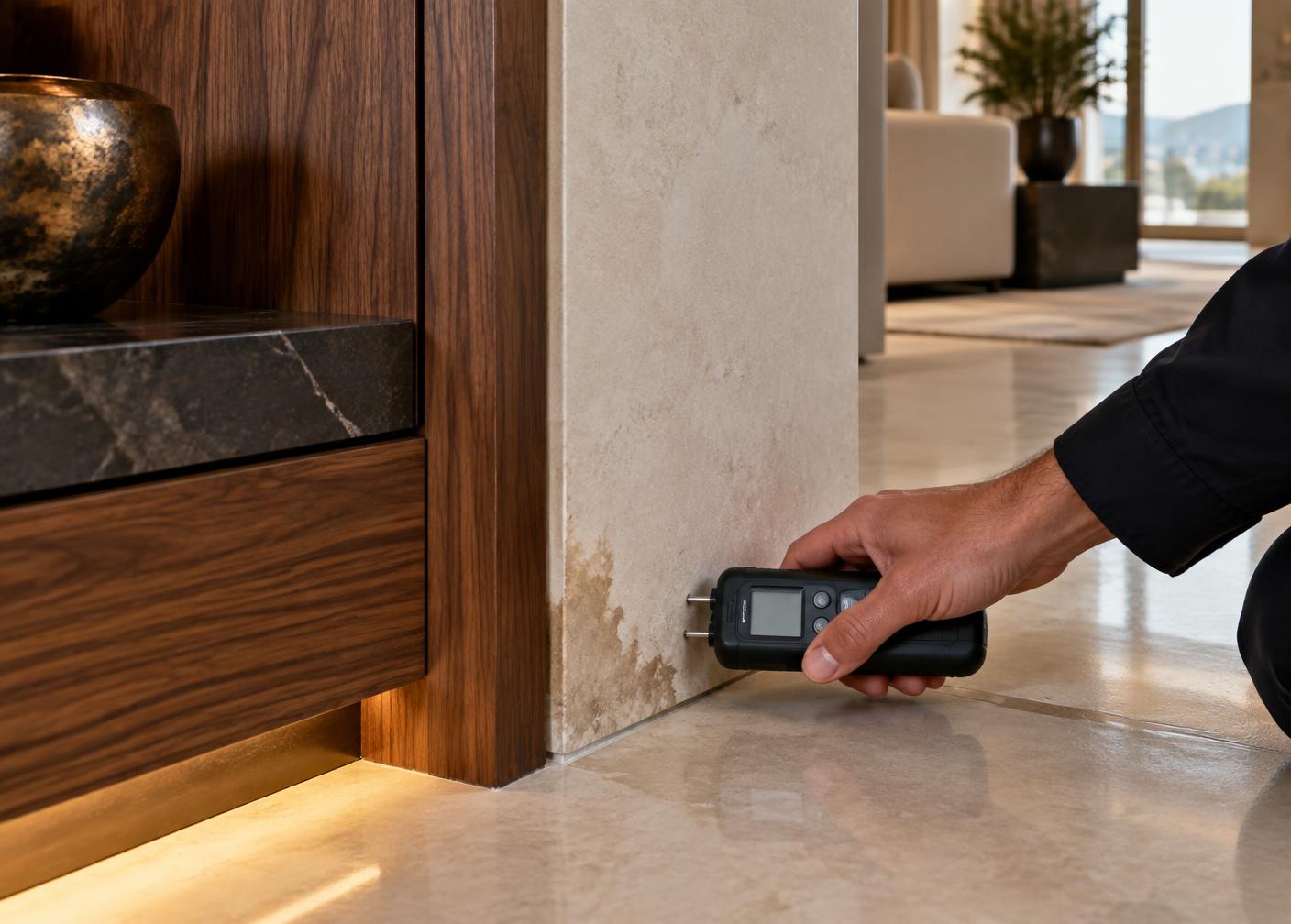
Why home watch is not house-sitting
A proper estate home-watch program is a documented protocol, not a friend-of-a-friend visit. It produces evidence — timestamped photos, checklists, vendor logs — that supports insurance claims and captures issues before they become claims.
The five failures
1. Humidity drift. HVAC set-back too aggressively; humidity climbs; mold begins in weeks. 2. Water intrusion. Silent slab leaks and roof drips detected only after damage compounds. 3. Pest establishment. Rodents and insects establish colonies in undisturbed pantries and mechanical rooms. 4. Storm-prep drift. Shutters, generators and roof drains not pre-checked against forecast paths. 5. Vendor coordination gaps. Landscape, pool and mechanical vendors show up on inconsistent cadences; nobody triangulates.
What a proper protocol looks like
- Weekly inspections with timestamped photo evidence
- Humidity, temperature and leak-sensor telemetry
- Hurricane-season readiness reviews on a defined calendar
- Single point of accountability that coordinates every vendor
- Written monthly report to the owner or family office
When to engage a professional
Any time the residence sits empty more than four weeks per year, or when the property value or contents exceed what a personal insurance policy would replace without evidence.